
What Do You Need to Start?
Writing a book is different for everyone.

As authors, we often get asked where we get ideas.
Let me give you a definitive answer: ideas are cheap. What you do with them is what really matters.
For me, a better question is, "What do you need to start writing a book?"
Friends, I can give you a definitive answer to this one, too.
It depends.
I'll say this: "It depends" is a common answer in indie publishing. There are many ways up the mountain. What worked for me may or may not work for you for a whole host of reasons.
But what do I need to start writing a book? I'll give you some examples.
Sometimes, all I have is a title. One comes into my head, it sounds cool and genre-appropriate, and I run with it. Running with it, for me, means developing basic plot points, creating an outline, and then starting to write. I'm an outliner. You may not be. It depends.
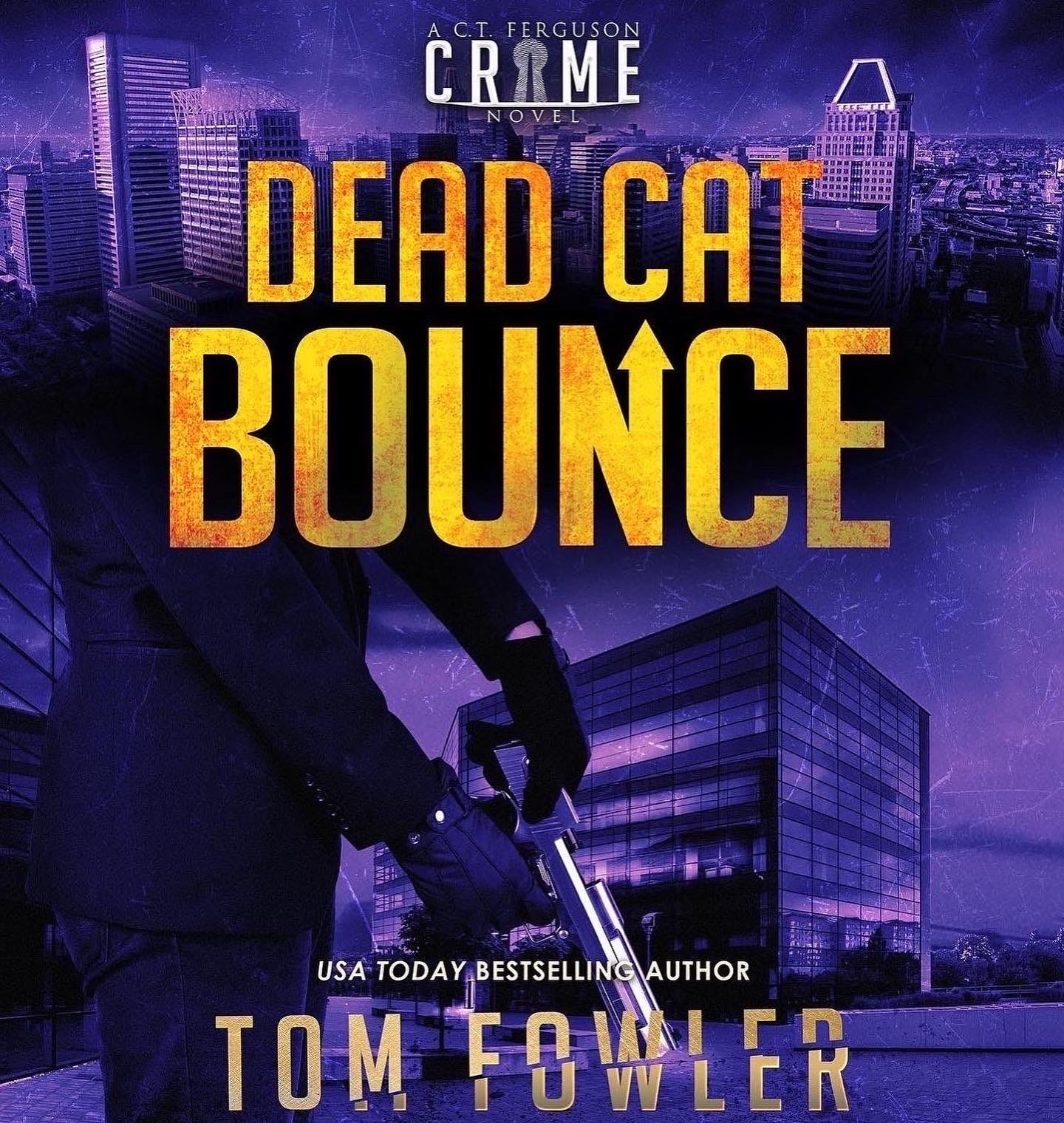
An example of this: the 11th C.T. Ferguson crime novel, Dead Cat Bounce. Cool title, works for a mystery... but what's it about? I knew a little about what the term meant, so I educated myself on it more and began building my outline from there. This particular book started with only a title.
Other times, I have the title and a scene or two in mind. Example: the 4th John Tyler thriller, Four on the Floor. In this series, titles serve double duty: they relate to cars or driving while also being relevant to the plot. A "four on the floor" was a four-speed manual shifter in the console... where we would expect to find one today. At the time, this contrasted with the "three on the tree" option on the steering column.
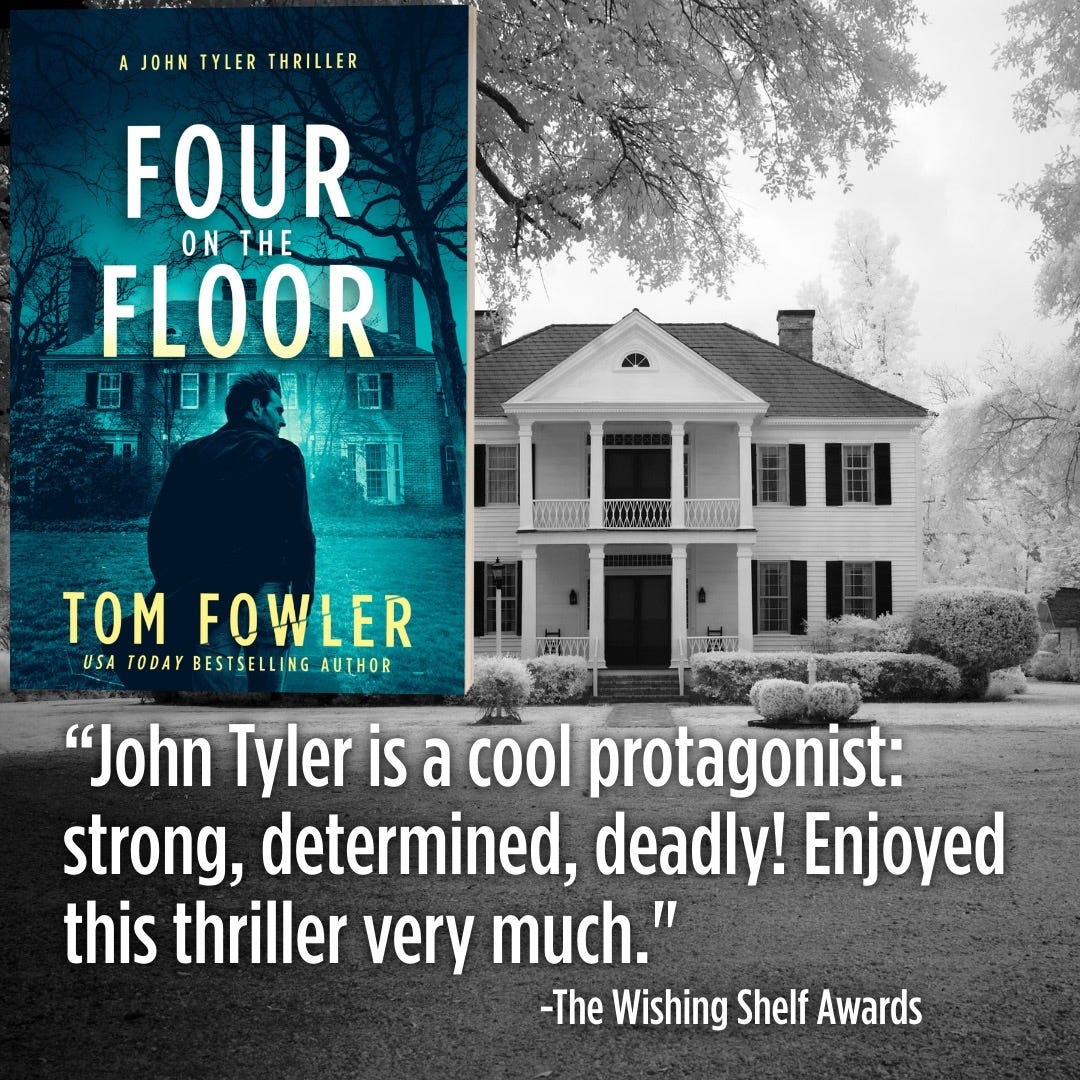
The scene I had in mind: our hero accompanies a young woman into her home where she finds four of her family members dead. (Thus satisfying the dual uses of "four on the floor.") Who was the woman? Why was Tyler there? Why were four people dead? Who killed them? I had no idea about any of those yet. This is what the outline is for. (Yes, the book answers each of those questions.)
Sometimes, I just have a scene in mind. To wit: the 13th C.T. Ferguson crime novel, Night Comes Down, started this way. The scene I had in mind was our hero's police sergeant cousin getting caught in a small explosion and C.T. having to come to his defense. I knew nothing about what happened until this point. So I built it all in the outline and came up with a title.
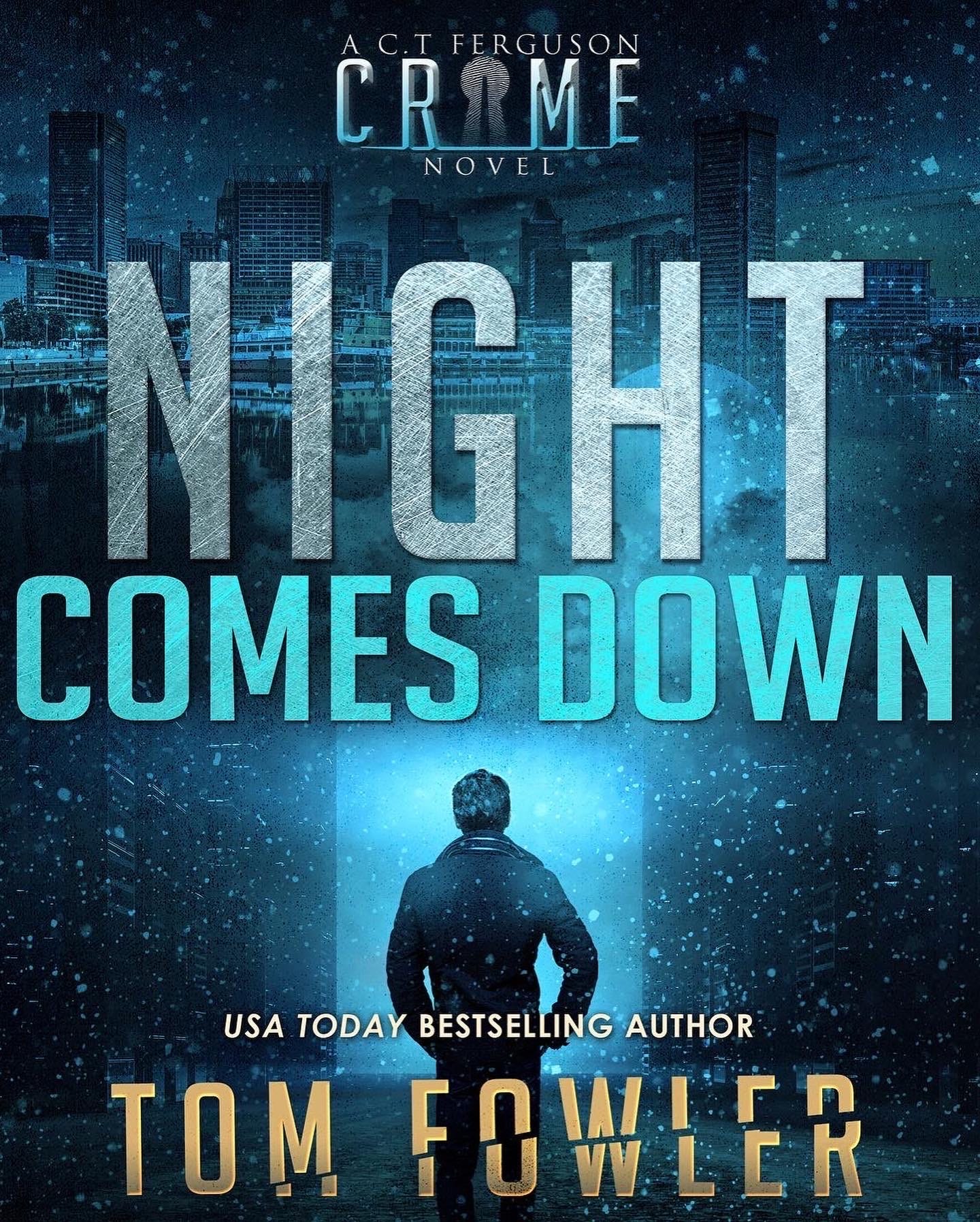
I always need a title before I start writing. It may change later, though it rarely does, but it's a must for me at the beginning. This may not be the same for you. It depends.
In other cases, I have several scenes or plot points already in mind. An example here: the 9th John Tyler thriller, Collision Course. I knew several things right away: Tyler's dad was going to get framed for espionage he allegedly committed during the Cold War, he didn't commit espionage, the dad was an unfaithful husband for sleeping with his pretty blonde Soviet counterpart, his son (Tyler) was unaware of these details, and a loud-mouthed podcaster was going to rile people up against the Tyler family.
(Brief aside: Collision Course might lead me to another post later on what our books are really about. Collision Course is not about any of the things in the prior paragraph.)
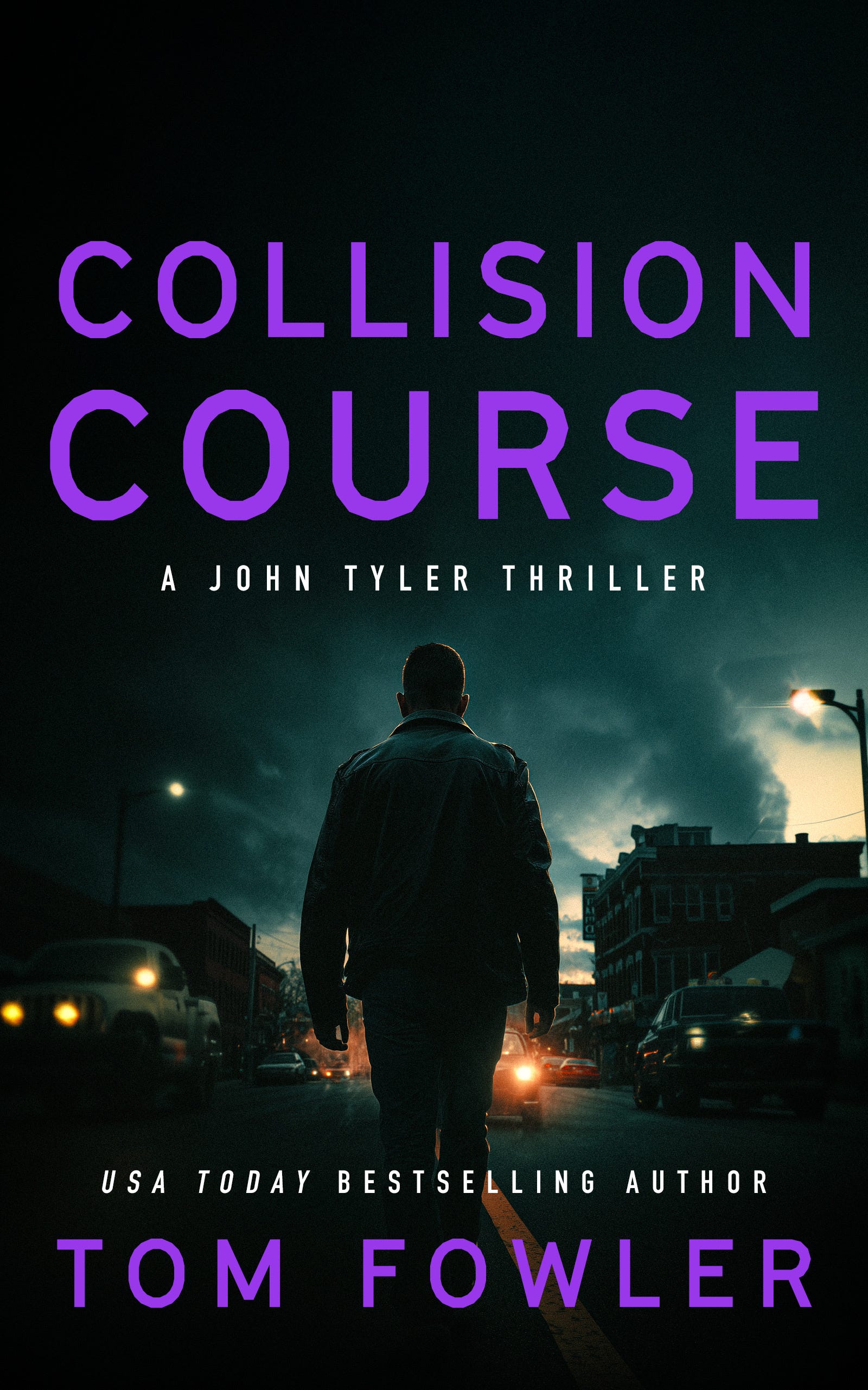
I still needed quite a bit more to tell a story. Since the book is published, it won't surprise you to learn I got there.
The question I asked at the beginning of all this was, "What do you need to start writing a book?" For me, the answer is a title and an outline, but I can arrive at those things in several different ways.
I will now put the same question to you: what do you need to start writing (or outlining) a book? Tell me in the comments.
You need an idea with legs that will stick with you. Something more than "that's a cool idea". An idea that will go the distance it takes to finish it, revise it, and release it.